Exploring alternative medicine
Alternative medicine encompasses a diverse range of healing modalities that operate alongside or complement conventional medical care. From ancient practices rooted in traditional wisdom to modern applications of physiological science, these therapeutic approaches share a common thread: they recognize the body’s innate capacity for self-regulation and healing. For Canadians navigating an increasingly complex healthcare landscape, understanding these modalities—their mechanisms, applications, and safe integration—has become essential to making informed wellness decisions.
This comprehensive resource introduces the foundational concepts behind major alternative medicine practices, clarifies how they work, examines their regulatory status in Canada, and provides practical frameworks for safe, effective use. Whether you’re considering your first naturopathic consultation, curious about the science behind cold plunging, or wondering how to communicate supplement use to your pharmacist, this article serves as your starting point for confident exploration.
What Defines Alternative and Complementary Medicine?
The terminology itself often creates confusion. Alternative medicine typically refers to practices used instead of conventional treatments, while complementary medicine describes therapies used alongside standard medical care. In Canada, the term integrative medicine has gained prominence, reflecting a more collaborative approach where conventional and complementary modalities work together under coordinated supervision.
This distinction matters significantly for safety and efficacy. A person who abandons prescribed medication for diabetes in favour of herbal remedies alone is practicing alternative medicine—often with considerable risk. Conversely, someone who maintains their medication regimen while adding acupuncture for pain management and meditation for stress reduction is practicing integrative care, potentially enhancing overall outcomes while maintaining medical oversight.
The scope of integrative medicine in Canada continues to evolve. Insurance coverage varies substantially by province and provider, with some extended health plans covering naturopathic consultations, chiropractic adjustments, and acupuncture, while others offer minimal support. Understanding these boundaries helps you optimize both therapeutic benefit and financial accessibility.
Harnessing Temperature Extremes for Physiological Resilience
Temperature-based therapies represent one of the most scientifically validated alternative modalities, with growing evidence supporting their impact on immune function, cardiovascular health, and mental resilience.
The Science of Heat Exposure
Deliberate heat exposure through sauna use or steam rooms triggers the production of heat shock proteins—molecular chaperones that help cells manage stress and maintain proper protein folding. Think of these proteins as your cellular repair crew, called into action when temperature rises beyond normal comfort zones. Regular sauna use has been associated with improved cardiovascular markers, though the protocols differ: traditional Finnish saunas operate at higher temperatures with lower humidity, while steam rooms provide gentler heat with near-complete humidity.
Timing matters considerably. Heat exposure in the evening, particularly 4-6 hours before bed, can facilitate sleep onset by triggering the natural temperature drop that signals readiness for rest. This strategic timing enhances the body’s circadian rhythm rather than disrupting it.
Cold Exposure Protocols and Common Errors
Cold plunging and cold-water immersion have surged in popularity, but safety protocols remain poorly understood by most practitioners. Water temperature between 10-15°C, exposure duration of 2-5 minutes, and gradual adaptation over weeks—not days—form the foundation of safe practice.
A critical error involves timing relative to resistance training. Cold exposure immediately after hypertrophy-focused workouts may blunt the inflammatory signaling necessary for muscle adaptation and growth. For those pursuing muscle development, separating cold exposure from strength training by at least 4 hours preserves training adaptations while still capturing cold therapy benefits.
Nature-Based Healing: Forest Bathing and Phytoncides
Shinrin-yoku, or forest bathing, emerged from Japanese preventive health research and involves slow, mindful immersion in forest environments. Unlike hiking or exercise, forest bathing emphasizes sensory awareness—the practice is about being present, not achieving distance or elevation.
The therapeutic mechanism extends beyond stress reduction. Trees release phytoncides—antimicrobial volatile compounds that serve the tree’s immune system. When humans inhale these compounds during forest time, research suggests increased natural killer cell activity, supporting immune function for days following exposure.
A proper forest bathing protocol involves:
- Selecting a biodiverse forested area, ideally with minimal human noise
- Leaving technology behind or silencing devices completely
- Walking very slowly (1 kilometer per hour or less) while engaging all senses
- Spending a minimum of 2 hours to achieve measurable physiological benefits
- Incorporating seated stillness periods for deeper sensory engagement
The question of guided versus solo practice depends on experience and intention. Newcomers often benefit from trained guides who can facilitate sensory exercises and overcome the discomfort of slowing down. Experienced practitioners may find solo sessions allow deeper personal reflection, though both approaches offer distinct value.
Mind-Body Practices: Meditation for Physiological Change
Meditation encompasses numerous techniques, but mantra-based meditation—particularly Transcendental Meditation—operates through a distinct mechanism. Rather than concentrating on breath or maintaining focused awareness, this approach uses specific sound vibrations to facilitate what practitioners call “transcending”—a state of restful alertness distinct from both waking activity and sleep.
The protocol typically involves twice-daily practice of 15-20 minutes, ideally before breakfast and dinner. This timing capitalizes on natural energy rhythms while avoiding interference with nighttime sleep. Benefits for blood pressure regulation may take 8-12 weeks of consistent practice to manifest measurably, challenging the expectation of immediate results common to pharmaceutical interventions.
A frequent error involves “trying too hard” during practice. Unlike concentration-based techniques where effort drives results, transcending requires a paradoxical effortlessness. The mantra serves as a vehicle, not a target for focused attention—think of it as a gentle drift rather than a purposeful march.
Body-Based Modalities: Chiropractic and Reflexology
Spinal Alignment and Nervous System Function
Chiropractic care centers on the relationship between spinal alignment and nervous system function, operating on the premise that vertebral misalignments (subluxations) can interfere with neural communication between brain and organs. While this mechanism remains debated in conventional medicine, many Canadians report significant relief from musculoskeletal pain and headaches through chiropractic intervention.
Two primary approaches exist: manual adjustment (hands-on manipulation) and instrument-assisted techniques using tools like the Activator. Neither demonstrates clear superiority—the choice often depends on patient comfort, practitioner training, and specific clinical presentation. Between adjustments, maintaining alignment involves ergonomic awareness, appropriate movement patterns, and often specific exercises prescribed by the practitioner.
A dangerous practice involves self-manipulation, particularly of the neck. The temporary relief from “cracking” your own neck comes with substantial risk of ligament laxity, arterial damage, and paradoxically, increased joint instability over time. Professional assessment ensures appropriate force, direction, and timing of adjustments—especially crucial for acute injuries.
Reflexology and Holographic Body Theory
Reflexology operates on the theory that specific points on the feet, hands, and ears correspond to internal organs and systems—a concept sometimes called body holography. Practitioners apply pressure to these reflex points to influence organ function, reduce stress, and support healing processes.
Ear seeding, a specific reflexology application, involves placing small seeds or beads on auricular (ear) points corresponding to stress, anxiety, or specific organs. These remain in place for days, providing ongoing gentle stimulation. The practice differs from acupressure, which typically involves broader point selection across the entire body and shorter duration pressure.
Critical safety considerations include avoiding certain points during pregnancy, as specific reflex zones may stimulate uterine activity. Traditional Chinese Medicine also recognizes organ clock timing—specific two-hour windows when particular organs show peak energy—though evidence for timing protocols remains largely observational.
Aromatherapy and Essential Oil Chemistry
Essential oils represent concentrated plant compounds with genuine pharmacological activity, demanding respect for their potency and proper application protocols.
The therapeutic mechanism involves terpenes—organic compounds that interact with olfactory receptors and, through the olfactory bulb, influence the limbic system governing emotion and memory. This isn’t merely “scent preference”—it’s neurochemistry. Lavender’s linalool, for example, demonstrates measurable anxiolytic effects through GABA receptor modulation.
Safe use requires understanding dilution ratios. For topical application, the standard dilution is 2-3% for adults (roughly 12 drops per 30ml carrier oil), with lower concentrations for children, elderly individuals, or facial application. Diffusion offers safer systemic exposure than topical use for certain oils, as it avoids skin sensitization while still delivering aromatic molecules to the bloodstream via the lungs.
A critical error involves internal ingestion. While some practitioners advocate oral use, the risks—including liver toxicity, mucous membrane damage, and dangerous drug interactions—generally outweigh potential benefits for non-professional use. Quality sourcing matters enormously: Canadian consumers should seek oils with batch-specific GC/MS (gas chromatography/mass spectrometry) testing to verify purity and chemical constituents.
Naturopathic Medicine in the Canadian Context
Naturopathic Doctors (NDs) occupy a unique position in Canada’s healthcare landscape, with regulatory status and scope of practice varying significantly by province.
Education and Regulation
Canadian NDs complete four-year postgraduate programs at accredited institutions, studying biomedical sciences, clinical diagnosis, and natural therapeutics. However, regulation differs dramatically by location. British Columbia and Ontario provide full regulation, including licensing requirements and defined scopes of practice. In BC, NDs hold prescribing rights for certain pharmaceutical medications and can order diagnostic imaging. Ontario NDs can perform minor surgery and prescribe natural health products but have more limited pharmaceutical prescribing compared to their BC counterparts.
Other provinces offer varying levels of recognition, from professional association membership to no formal regulation. This provincial patchwork means Canadians must verify their ND’s credentials and legal scope based on location.
What to Expect During Your First Visit
Initial naturopathic consultations typically span 60-90 minutes—substantially longer than conventional medical appointments. The ND conducts comprehensive health history, reviews existing medications and supplements, may perform physical examination, and often orders laboratory testing. The assessment seeks to identify underlying imbalances rather than merely suppressing symptoms.
Treatment recommendations might include:
- Botanical medicine (herbal preparations)
- Clinical nutrition and therapeutic diets
- Homeopathic remedies
- Lifestyle counseling
- Physical medicine (massage, hydrotherapy)
- Acupuncture or Traditional Chinese Medicine
A common error involves expecting immediate results comparable to pharmaceutical intervention. Natural medicines often work more gradually, supporting physiological processes rather than overriding them. Meaningful improvement for chronic conditions typically requires 3-6 months of consistent intervention, though acute conditions may respond more quickly.
Coordinating Care: The Naturopath-Pharmacist-Physician Triangle
Safe integrative care requires transparent communication across all practitioners. When adding supplements or natural medicines alongside conventional treatment, inform your pharmacist using specific details: exact product names, dosages, and timing. Pharmacists can identify potential interactions—for instance, St. John’s Wort significantly reduces the effectiveness of many medications through enzyme induction, while grapefruit seed extract inhibits drug metabolism, potentially causing toxicity.
The distinction between naturopaths and functional medicine MDs often confuses patients. Functional MDs are licensed physicians who completed conventional medical training plus additional education in nutrition and lifestyle medicine. They can prescribe all pharmaceutical medications and order any diagnostic test. NDs use primarily natural therapeutics with more limited prescribing rights. Neither approach is inherently superior—the choice depends on your health complexity, medication needs, and philosophical preferences.
Self-integration—adding multiple supplements based on internet research without professional guidance—carries substantial risk. Nutrient interactions, inappropriate dosing, and contraindications with existing conditions create potential for harm. Professional oversight ensures appropriate selection, quality products, and monitoring for effectiveness.
Constitutional Assessment in Holistic Medicine
Several alternative traditions emphasize constitutional types—the concept that individuals possess inherent physiological tendencies influencing disease susceptibility and treatment response.
Classical homeopathy recognizes constitutional remedies matched to personality, physical characteristics, and disease patterns. The theory of miasms (inherited predispositions to certain disease patterns) and diathesis (constitutional tendencies) guides remedy selection. A constitutional assessment involves extensive questioning about physical symptoms, emotional patterns, food preferences, temperature sensitivity, and stress responses. Unlike genetic testing which examines DNA, constitutional typing in homeopathy remains observational and theoretical.
The fundamental philosophy emphasizes treating “terrain” rather than symptoms. Think of symptoms as weeds in a garden—you can continually cut them back, or you can change the soil conditions that allow them to flourish. Constitutional treatment aims to modify the underlying terrain, theoretically preventing disease recurrence rather than merely suppressing acute manifestations.
Timing constitutional treatment preventively, during periods of relative health stability, aligns with this philosophy better than crisis intervention during acute illness—though both applications exist in practice.
Making Informed and Safe Choices
Navigating alternative medicine successfully requires balancing openness to diverse healing modalities with critical evaluation and professional guidance. Several principles support safe exploration:
Verify credentials rigorously. In Canada’s fragmented regulatory landscape, professional titles don’t always indicate standardized training. Check provincial regulatory bodies, confirm education from accredited institutions, and verify malpractice insurance.
Maintain conventional care for serious conditions. Alternative modalities work best as complementary approaches for chronic conditions or preventive care, not as replacements for emergency medicine, acute infections requiring antibiotics, or conditions needing surgical intervention.
Document everything. Keep detailed records of all supplements, herbs, and alternative treatments. Bring these to every medical appointment. What seems like harmless supplementation to you might create dangerous interactions your physician needs to know about.
Research insurance coverage before committing. Extended health benefits vary enormously. Some plans cover naturopaths, chiropractors, massage therapists, and acupuncturists generously; others provide minimal support. Understanding your coverage prevents financial surprises and helps prioritize which modalities to explore first.
Approach constitutional and energetic medicine with measured expectations. Practices like homeopathy, reflexology, and energy medicine operate on theoretical frameworks that differ substantially from conventional biomedical models. Some individuals report profound benefits; scientific evidence remains contested. Approach these modalities as potentially helpful adjuncts rather than primary interventions for serious disease.
Alternative medicine offers Canadians expanded options for supporting health, managing chronic conditions, and optimizing wellness. The key lies not in choosing between conventional and alternative approaches, but in thoughtfully integrating evidence-informed practices under coordinated professional guidance. Your healthcare journey benefits most when diverse modalities complement rather than conflict, when open-minded exploration meets critical evaluation, and when the goal remains not ideological purity but genuine, measurable improvement in your quality of life.

Why Choose a French Online Pharmacy for Natural Wellness?
Your local health store has three lavender oils. The French pharmacy across the Atlantic? Forty-seven. That difference matters. Canadians seeking natural wellness products increasingly turn to French online parapharmacies like Euro-Pharmas for a reason: stricter pharmaceutical oversight, broader product ranges,…
Read more
TM or Mindfulness: Which Meditation Style Quiets a Busy Mind Faster?
For a busy mind that resists “clearing,” Transcendental Meditation’s effortless approach often outperforms the active monitoring required by mindfulness. Mindfulness asks you to actively manage your attention, which can feel like another task for an already overloaded brain. TM uses…
Read more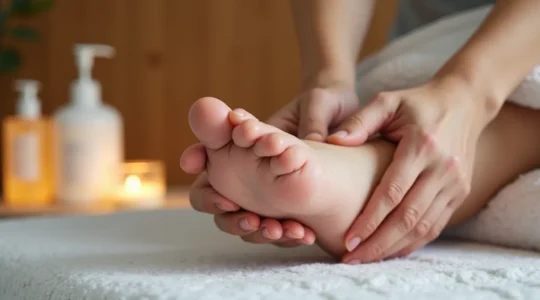
How to Press Your Foot to Relieve Stomach Pain in 5 Minutes?
True digestive relief comes not from a single foot point, but from understanding and stimulating the body’s interconnected neural and energetic pathways that govern gut health. The ear is a complete “microsystem” or map of your body, where specific points…
Read more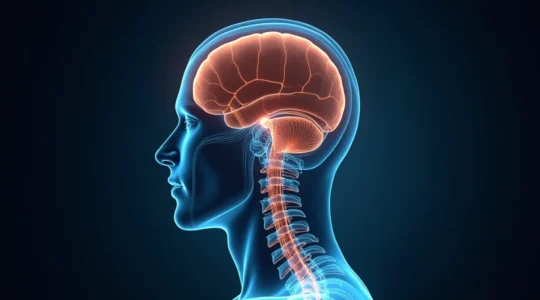
How to Know if a Spinal Misalignment Is Causing Your Migraines?
Your chronic migraines may not be a head problem, but a symptom of a structural and neurological issue originating in your spine. A misaligned vertebra, particularly in the neck, can irritate nerves and the brainstem, disrupting the body’s entire operating…
Read more
What Is Your “Health Constitution” and Why Does It Predict Your Illnesses?
Your health is not simply a matter of your genes or bad luck. The recurring illnesses you experience are often predicted by your “health constitution”—a deep, heritable pattern of energetic responses that functions like a form of memory. This ancient…
Read more
Which Essential Oils Actually Have Clinical Evidence for Anxiety?
The effectiveness of an essential oil for anxiety depends less on marketing terms like “therapeutic grade” and more on its verifiable chemical constituents and safe application. Scientific evidence points to specific compounds (like linalool in lavender) that interact with your…
Read more
What Can a Naturopath Treat That Your Family Doctor Can’t?
In Canada, a regulated Naturopathic Doctor (ND) is not a philosophical healer, but a trained professional who uses a systematic investigative process to address the root cause of chronic health issues. NDs are regulated healthcare professionals in most provinces, requiring…
Read more
How to Build Your Collaborative Healthcare Team in Canada: A Guide to Integrating MDs and Holistic Practitioners
The key to managing a chronic condition is shifting from a passive patient to the active CEO of your own health, building a collaborative team that bridges conventional and holistic care in Canada. Success depends on mastering the specific communication…
Read more
How to Practice Forest Bathing if You Don’t Have a Forest Nearby?
The profound health benefits of forest bathing are not locked away in remote wilderness; they are accessible anywhere by learning to replicate nature’s key therapeutic mechanisms. Focus on inhaling phytoncides, the natural compounds from trees, which can be found even…
Read more
Why Is Contrast Therapy the Secret Weapon for Recovery?
Contrast therapy is not just about feeling better; it’s a precise method for programming your body’s core systems to enhance resilience, accelerate repair, and control your stress response. Heat exposure activates cellular cleanup crews (Heat Shock Proteins), while cold exposure…
Read more