
The high prevalence of autoimmune disease in Canada isn’t just about the lack of sun; it’s a ‘perfect storm’ of interconnected environmental factors unique to our northern latitude.
- Latent viruses like Epstein-Barr can be reactivated by environmental stressors, leading to immune misdirection.
- Common “health” foods and popular “immune-boosting” supplements can paradoxically trigger inflammation and tax a burdened system.
Recommendation: The key is to move beyond generic advice and conduct a personal audit of your unique dietary, viral, and lifestyle ‘environmental load’ to identify and manage your specific triggers.
If you live in Canada, you likely know someone with an autoimmune disease. From multiple sclerosis and Hashimoto’s thyroiditis to lupus and rheumatoid arthritis, the rates in our country are among the highest in the world. The conventional explanation often points to two familiar culprits: a lack of vitamin D from our long winters and a genetic predisposition. While these factors are undeniably important, they are only single pieces of a much larger, more complex puzzle. Relying on them alone provides an incomplete picture and, more importantly, a limited action plan for those seeking to manage their health proactively.
The truth is that living in a northern climate like Canada creates a unique ‘perfect storm’ of environmental pressures that can trigger or exacerbate autoimmune conditions. This goes far beyond just the “sunshine vitamin.” It involves the specific viruses that are prevalent here, the dietary habits we adopt to cope with long winters, and even the “healthy” choices we make that can inadvertently add to our body’s total environmental load. The key to navigating this risk isn’t just to supplement with Vitamin D, but to understand how these diverse factors interact and to learn how to identify your personal triggers within this uniquely Canadian context.
This article moves beyond the platitudes to investigate the specific environmental drivers behind Canada’s high rates of autoimmunity. We will deconstruct this ‘perfect storm’ piece by piece, examining the science behind viral triggers, the mistakes hidden in common dietary advice, and the real-world strategies for managing your energy and immune response in a northern climate. By the end, you will have a clear framework for becoming an investigator of your own health, armed with the knowledge to reduce your environmental load and better manage your condition.
This guide will explore the key environmental factors that contribute to autoimmunity in Canada and provide actionable, context-specific strategies. Below is a summary of the critical areas we will investigate to help you build a comprehensive management plan.
Summary: Investigating Canada’s Autoimmune Environmental Triggers
- Why Is the “Sunshine Vitamin” Your First Defense Against Autoimmunity?
- How to Survive the AIP Diet Without Losing Your Mind?
- Did Your Epstein-Barr Virus Trigger Your Hashimotos Years Later?
- The “Immune Booster” Mistake: Why Echinacea Might Flare Your Lupus?
- When to Say No: Managing Energy to Prevent an Autoimmune Crash?
- ESR or CRP: Which Marker Tracks Autoimmune Flares Better?
- How to Conduct an Elimination Diet Without Starving Yourself?
- Why Is Your “Healthy” Salad Causing Bloating and Discomfort?
Why Is the “Sunshine Vitamin” Your First Defense Against Autoimmunity?
The link between Canada and vitamin D deficiency is well-established, but its role in autoimmunity is far more profound than simply supporting bone health. Vitamin D is a potent immune modulator, acting more like a hormone that directs traffic for your immune cells. It helps the immune system maintain tolerance, preventing it from mistakenly attacking your own body’s tissues. In a country where, during the winter, about 40% of Canadians are deficient in vitamin D, this loss of immune regulation becomes a significant foundational risk factor for autoimmunity.
The reason for this widespread deficiency is a stark astronomical reality known as the “vitamin D winter.” This phenomenon was cemented by a foundational Canadian study monitoring skin synthesis in Edmonton. Researchers found that from October through March, the sun’s angle is too low in the sky for its UVB rays to effectively penetrate the atmosphere and trigger vitamin D production in the skin. This isn’t just about cloudy days; it’s a geographic certainty for those living at northern latitudes.

As this image illustrates, the weak winter sun, while beautiful, lacks the specific radiation needed for our bodies to create this critical immune-regulating hormone. This establishes a non-negotiable need for supplementation for a significant portion of the year. For anyone concerned with autoimmune risk in Canada, optimizing vitamin D levels isn’t just a suggestion; it is the first and most critical line of defense in managing your body’s environmental load and ensuring your immune system has the instructions it needs to function correctly.
How to Survive the AIP Diet Without Losing Your Mind?
The Autoimmune Protocol (AIP) is often recommended for those looking to identify dietary triggers. However, its restrictive nature can feel overwhelming and socially isolating, especially in a country with long winters where comfort food reigns. The key to success is to reframe AIP not as a lifelong “diet,” but as a short-term, data-gathering experiment. Your goal is to temporarily lower your digestive drag and overall inflammatory load to see how your body responds. The focus should be on nutrient-dense, compliant foods, not on what you’re missing.
Surviving AIP in Canada requires a practical, store-specific strategy. Instead of focusing on a long list of “no” foods, concentrate on building a robust “yes” list from local, accessible sources. This makes grocery shopping less of a chore and more of a targeted mission. Planning ahead for social situations is also crucial; bringing a delicious, compliant dish ensures you can participate without compromising your health goals or feeling deprived. This proactive approach turns a potentially stressful experience into an empowering investigation.
Here are some practical tips for navigating major Canadian grocery stores while on the AIP diet:
- Focus on President’s Choice (Loblaws) ‘Free From’ line for compliant sausages and bacon, checking ingredients carefully.
- Look for Sobeys’ ‘Compliments’ brand for frozen fruits and vegetables without added sugars or sauces.
- At Costco, seek out organic meats in bulk, wild-caught fish like salmon, and large containers of coconut oil or avocado oil.
- Navigate farmers’ markets by season: focus on berries and leafy greens in summer, and shift to squash, pumpkins, and root vegetables (carrots, parsnips, sweet potatoes) in the fall and winter.
- For social events, bring a guaranteed-compliant dish like a large roasted vegetable platter with a simple olive oil and herb dressing, or a vibrant fruit salad.
Did Your Epstein-Barr Virus Trigger Your Hashimotos Years Later?
Over 90% of adults have been infected with the Epstein-Barr virus (EBV), the virus that causes mononucleosis (“mono”). For most, it resolves and lies dormant in the body for life. However, in individuals with a genetic predisposition to autoimmunity, this latent virus can be a ticking time bomb. Under periods of intense stress, poor sleep, or nutrient deficiencies—all common aspects of the Canadian winter—the virus can reactivate. This reactivation is a key component of the ‘perfect storm’ of autoimmune risk.
The primary mechanism through which EBV contributes to autoimmunity is a phenomenon called molecular mimicry. The proteins on the surface of the Epstein-Barr virus look remarkably similar to certain human proteins, such as those found in the thyroid gland. When the immune system mounts a strong attack against the reactivated virus, it can become confused and begin attacking the similar-looking thyroid tissue. This is a classic case of immune misdirection, where a well-intentioned defense goes awry, potentially initiating or flaring a condition like Hashimoto’s thyroiditis years after the initial infection.
The connection between viral triggers and environmental factors is stark. A Canadian study highlighted how children with low vitamin D levels who had also been exposed to EBV were significantly more susceptible to developing Multiple Sclerosis. As reported in the Vancouver Sun, this demonstrates how a common viral infection acts as a major risk factor, especially when combined with the widespread vitamin D deficiency seen in Canada. This intersection of factors is a clear example of the ‘perfect storm’ in action, emphasizing the need to consider viral history as part of your total environmental load.
The “Immune Booster” Mistake: Why Echinacea Might Flare Your Lupus?
When you feel a cold coming on, reaching for an “immune booster” like echinacea seems like a logical step. However, for someone with an autoimmune condition, this can be a critical mistake. The immune system has different arms, primarily the Th1 and Th2 pathways. In many autoimmune diseases, one of these pathways is already overactive. Echinacea and other general immune stimulants, known as immunostimulants, don’t selectively support the weaker pathway; they simply “boost” everything, potentially throwing more fuel on the fire of an already overactive immune response and triggering a flare.
This isn’t just a theoretical concern. It’s a recognized risk in Canada, reflected in the warnings on popular over-the-counter products. For example, Bausch Health Canada Inc. includes a specific warning on its COLD-FX® products containing echinacea. As they state, this product requires caution for a specific list of individuals.
Consult a health care practitioner if you are taking immunosuppressants, have an autoimmune disorder, have a progressive systemic disease such as tuberculosis, collagenosis, multiple sclerosis, AIDS and/or HIV infection, or if symptoms persist or worsen.
– Bausch Health Canada Inc., Product Warning for COLD-FX® First Signs® with Echinacea
Instead of general “boosters,” the goal should be immune modulation—gently guiding the immune system back into balance. This involves using nutrients and herbs that support regulation rather than stimulation. Building a safer winter wellness kit is a more strategic approach.
Your Autoimmune-Safer Winter Wellness Kit (Canadian Sources)
- Vitamin C: Choose a buffered Vitamin C powder or capsules from brands like ‘Jamieson’ or ‘Webber Naturals’ found at Shoppers Drug Mart or Rexall.
- Zinc: Opt for Zinc Picolinate or Citrate for better absorption, available from health stores like ‘Healthy Planet’ or ‘Community Natural Foods’.
- Bone Broth: Purchase pre-made, high-quality bone broth from brands like ‘Bonavide’ or ‘Bluebird Provisions’ (available online or in freezer sections of stores like Whole Foods), or make your own using bones from a local butcher.
- Medicinal Mushrooms: Look for Reishi or Cordyceps tinctures or capsules from Canadian brands like ‘Harmonic Arts’ or ‘St. Francis Herb Farm’ for their immune-modulating (not stimulating) properties.
When to Say No: Managing Energy to Prevent an Autoimmune Crash?
For those with autoimmune conditions, energy is not a renewable resource; it’s a finite budget that must be managed with precision. Pushing through fatigue to meet social or professional obligations can lead to an “autoimmune crash”—a period of debilitating fatigue, brain fog, and increased symptoms that can last for days or weeks. This is especially true during the Canadian winter, which brings a unique set of energy-draining challenges. The shortened days and lack of sunlight can lead to Seasonal Affective Disorder (SAD), a condition that compounds physical fatigue with a heavy emotional toll.
The Canadian Psychological Association notes that approximately 15% of Canadians will experience a mild form of SAD, adding another layer to the environmental load. Learning to say “no” isn’t a sign of weakness; it’s a crucial survival skill. It’s about reframing rest from a passive activity to a proactive, healing modality. This concept can be thought of as Strategic Hibernation: consciously conserving energy during high-risk periods to prevent a crash and preserve resources for essential functions.

This image captures the feeling of deep weariness that many experience. It’s not about giving up; it’s about strategically retreating to protect your well-being. This means auditing your schedule for “energy leaks”—activities that drain you more than they fulfill you—and making conscious choices to decline or delegate. Prioritizing sleep, gentle movement, and quiet time becomes a non-negotiable part of your health protocol. By embracing Strategic Hibernation, you shift from being a victim of your fatigue to being the CEO of your energy budget, a vital step in managing autoimmunity in a demanding climate.
ESR or CRP: Which Marker Tracks Autoimmune Flares Better?
When you’re in the midst of an autoimmune flare, “inflammation” stops being an abstract concept and becomes a tangible reality of pain, swelling, and fatigue. To objectively track this internal fire, doctors rely on blood markers. The two most common are the Erythrocyte Sedimentation Rate (ESR) and C-Reactive Protein (CRP). Understanding what they measure and how to access them in Canada is key to monitoring your condition effectively. Think of them as the dashboard lights for your body’s inflammatory status.
ESR is an older, more general test that measures how quickly red blood cells settle in a test tube. A faster rate indicates higher levels of inflammation. CRP is a protein made by the liver in response to inflammation; it tends to rise and fall more quickly than ESR, making it a more responsive marker for acute changes. A more sensitive version, high-sensitivity CRP (hs-CRP), can detect low-grade, chronic inflammation, which is a key driver in many autoimmune and cardiovascular diseases. For tracking the subtle ebbs and flows of an autoimmune condition, hs-CRP is often the superior tool.
Access to these tests in Canada depends on your healthcare provider and provincial coverage. A General Practitioner (GP) can easily order standard ESR and CRP tests, which are typically covered. However, getting a requisition for hs-CRP for general autoimmune monitoring can sometimes be challenging under provincial health plans. A licensed Naturopathic Doctor, on the other hand, frequently uses hs-CRP to track systemic inflammation and can provide a requisition for private labs.
This table outlines the key differences in these inflammatory markers and their accessibility within the Canadian healthcare system.
| Test | What it Measures | Access via GP (Provincial Health Plan) | Access via Naturopath (Private Pay) |
|---|---|---|---|
| ESR (Erythrocyte Sedimentation Rate) | General, non-specific inflammation | Yes, commonly ordered and covered. | Yes, but typically ordered via GP. |
| CRP (C-Reactive Protein) | General, non-specific inflammation (often faster to react than ESR) | Yes, commonly ordered and covered. | Yes, but typically ordered via GP. |
| hs-CRP (High-Sensitivity CRP) | Low-grade, chronic inflammation (cardiovascular and systemic risk) | Coverage varies by province; often not covered for general screening. | Yes, commonly ordered via private labs like LifeLabs or Dynacare. |
How to Conduct an Elimination Diet Without Starving Yourself?
The term “elimination diet” often conjures images of deprivation and hunger. If done incorrectly, it can be exactly that. The goal of a properly conducted elimination diet, however, is not to starve, but to gather clear data. The fundamental principle is substitution, not just subtraction. For every food or food group you temporarily remove, you must intentionally add in a wide variety of nutrient-dense, low-allergen alternatives. This ensures your body gets the calories and micronutrients it needs to function and heal, preventing the stress response that hunger can trigger.
A successful elimination diet is a structured scientific experiment with you as the subject. It has two main phases: elimination and reintroduction. The elimination phase typically lasts 3-4 weeks, long enough for inflammatory food proteins to clear your system. During this time, you focus on a clean diet of whole, unprocessed foods. The reintroduction phase is where the real learning happens. You reintroduce one food group at a time, every three days, while carefully logging any symptoms—digestive upset, skin changes, joint pain, brain fog, or fatigue. This methodical process helps you pinpoint your specific triggers with clarity.
The most important part of this process is listening to your body. An elimination diet isn’t about perfectly adhering to a rigid set of rules; it’s about building awareness. It transforms you from a passive recipient of symptoms into an active investigator of your own health, creating a personalized dietary template that supports your unique physiology. It’s a powerful tool for reducing your overall environmental load.
Your 5-Step Personal Trigger Audit Plan
- Identify Points of Contact: List all common dietary triggers you consume regularly (e.g., gluten, dairy, corn, soy, eggs, nightshades). This is your starting list of suspects.
- Collect Baseline Data: For one week before starting, keep a detailed journal of your symptoms (energy levels, digestion, pain, mood) on your current diet. Score them from 1-10.
- Ensure Nutritional Coherence: As you eliminate suspects, create a plan to replace them with nutrient-dense alternatives. (e.g., remove wheat bread, add sweet potato and squash). Your caloric intake should not drop significantly.
- Track the Response: During the elimination and reintroduction phases, log your symptoms daily. Note any clear changes—positive or negative—when a food is removed or added back in.
- Build Your Integration Plan: Based on your data, create a long-term eating plan. Prioritize removing confirmed triggers and decide on a strategy for foods that cause milder reactions (e.g., limit to once a week).
Key Takeaways
- Canada’s high latitude creates a non-negotiable “vitamin D winter,” making supplementation a critical first step in immune regulation.
- Latent viral infections like EBV can be reactivated by stress, acting as a powerful trigger for autoimmune ‘immune misdirection’.
- An investigative approach to diet (like the AIP or a structured elimination diet) is a data-gathering tool to identify personal food triggers, not a life sentence of deprivation.
- Managing energy through ‘Strategic Hibernation’ is a crucial skill for preventing autoimmune crashes, especially during the demanding Canadian winter.
- Standard “immune boosters” can be harmful; focus on immune-modulating nutrients and herbs for safer support.
Why Is Your “Healthy” Salad Causing Bloating and Discomfort?
You’ve meticulously crafted a large, vibrant salad filled with raw kale, spinach, and other fresh vegetables—the very picture of health. Yet, an hour later, you’re bloated, gassy, and uncomfortable. This frustrating experience is common in autoimmunity and highlights a key concept: a food is only “healthy” if your body can effectively digest it and utilize its nutrients. For a compromised digestive system, often a hallmark of autoimmune conditions, a raw salad can represent a significant challenge, creating a “digestive drag” that taxes your energy reserves.
The issue lies in the tough, fibrous cell walls of many raw vegetables, particularly cruciferous ones like kale and broccoli. These fibers, while beneficial for a robust gut, can be very difficult to break down for someone with low stomach acid or digestive enzyme production. Furthermore, many of these plants contain antinutrients like goitrogens (in raw kale) and oxalates (in raw spinach), which can interfere with nutrient absorption and, in some individuals, contribute to inflammation and other symptoms. The energy your body expends trying to break down these raw foods is energy that could have been used for healing and immune regulation.
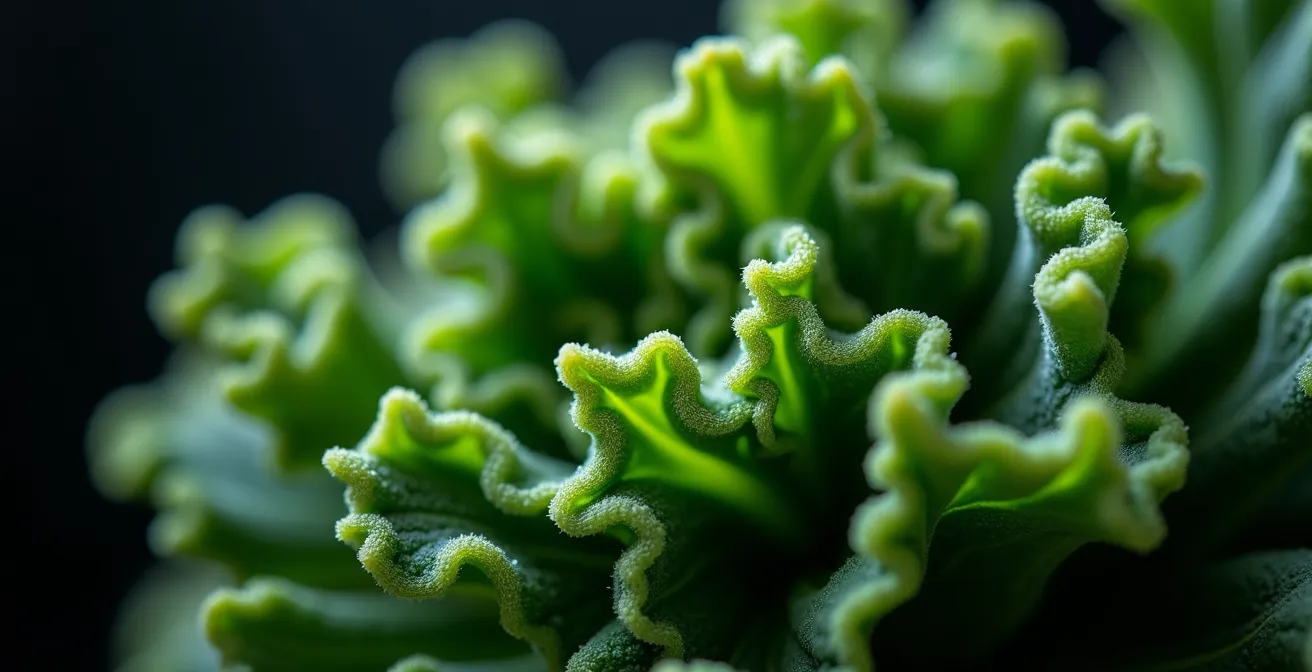
This doesn’t mean vegetables are the enemy. The solution is simple: cook them. Steaming, sautéing, or roasting breaks down the tough fibers and deactivates many of the antinutrients, making the nutrients within the vegetables far more accessible to your body. A warm bowl of steamed greens and roasted root vegetables provides the same, if not more, bioavailable nutrition as a raw salad, but with a fraction of the digestive effort. This simple shift is a perfect example of the overall philosophy of this guide: you must filter all health advice, even “eat more salads,” through the lens of your personal physiology and total environmental load. What works for a healthy person may be a net negative for you, and learning to make that distinction is the cornerstone of effective self-management.
Your journey to better health in the face of autoimmunity begins with this investigative mindset. Start by discussing these unique Canadian environmental factors and the relevant testing options with a qualified healthcare practitioner to build a personalized strategy that truly addresses your body’s needs.
Frequently Asked Questions on Epstein-Barr Virus and Autoimmunity
What are the key EBV antibody tests?
The main tests are VCA-IgM (indicates a current or recent infection), VCA-IgG (indicates a past infection), and EBNA-IgG (appears 2-4 months after initial infection and persists for life, indicating a past infection).
How can I get tested in Canada?
A General Practitioner (GP) can order basic EBV tests, which are typically covered by provincial health insurance. For a more comprehensive panel or if a GP is hesitant, a licensed Naturopathic Doctor can provide a requisition for private labs like LifeLabs or Dynacare, though this will be an out-of-pocket expense.
What does ‘reactivation’ mean?
Reactivation refers to the latent virus becoming active again. This might be suspected if VCA-IgG and EBNA-IgG levels are unusually high, even with a negative VCA-IgM. This pattern can suggest the immune system is actively fighting the latent virus, which is a key concern in autoimmunity.